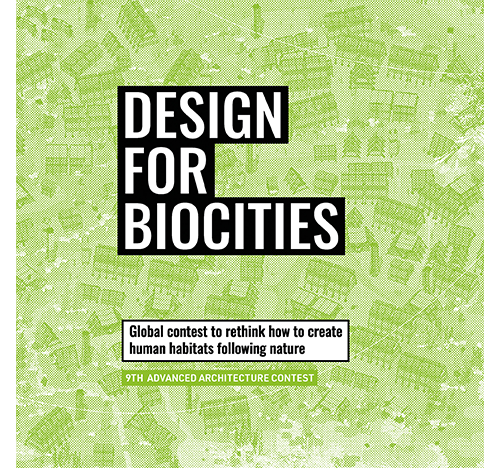

Design for Biocities
Global Contest to Rethink Our Habitat from the Body to the City.
Vicente Guallart, Laia Piferré
The Institute for Advanced Architecture of Catalonia (IAAC) calls its 9th Advanced Architecture Contest as a global reflection to rethink human settlements at a time when our natural environments and the human habitats are more clearly intertwined. The planet is immersed in a fast process of urbanization while we are simultaneously facing a serious climate crisis that must be addressed. We look to the model of Biocities, cities that follow the principles of ecological principles in order to promote life and biodiversity, to provide us with potential design solutions. How can we reimagine our cities as Biocities, capable of creating an ecologically attuned and reciprocal relationship with nature? This year’s competition challenges students and professionals from all over the world to propose how to design urban spaces, cities, buildings, objects, or solutions of any scale, directed
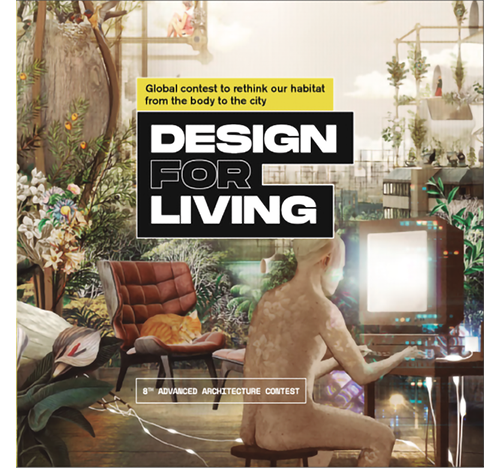
Design for Living
Global Contest to Rethink Our Habitat from the Body to the City. 8th Advanced Architecture Contest
Vicente Guallart
The Institute for Advanced Architecture of Catalonia calls its 8th Advanced Architecture Contest titled "Design for Living." This effort offers the opportunity for a global reflection to rethink human habitats, at a time when the fight for life and climate allows us to consider how we would like to live in the coming decades. We like to think that each person's life begins at home, which is the center of their universe and the origin of their social interactions. During the pandemic, we had been confined to our homes and they have become microcities where we live, work and rest, connected to the world through information networks.So, after this experience, how do we imagine the future for our living environment?
The contest encourages participants to propose a design related to their way of life, at
37,00€
Buy Ebook 

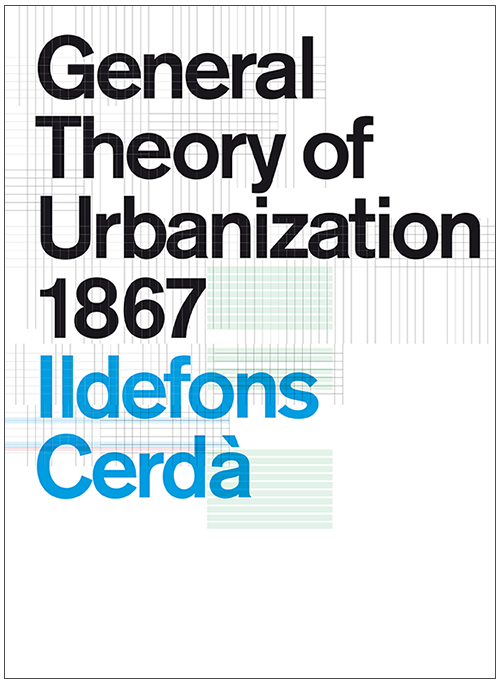
General Theory of Urbanization 1867
Ildefons Cerdà
First translation into English on the occasion of the 150th anniversary of the publication of the General Theory of Urbanization by Ildefons Cerdà, an essential work on urban development.
In 1867 Ildefons Cerdà published his “Teoria general de la urbanització.” In this text, the “science of building cities”, understood as a phenomenon, became a new discipline with a broad economic, social and cultural impact on the life of the people of the city. Coinciding with 150 years since its publication, its first translation into English is being presented along with the publishing online urbanization.org with the statistics transformed into interactive graphics and open data, with the aim of expanding the knowledge of Cerdà’s work and encouraging debate on the process of “urbanization” in the future.
Co-published with the Institute for Advanced Architecture of Catalonia in collaboration with the Diputació de Barcelona, the Generalitat de Catalunya through Incasòl. Bloomberg Philanthropies contributed as
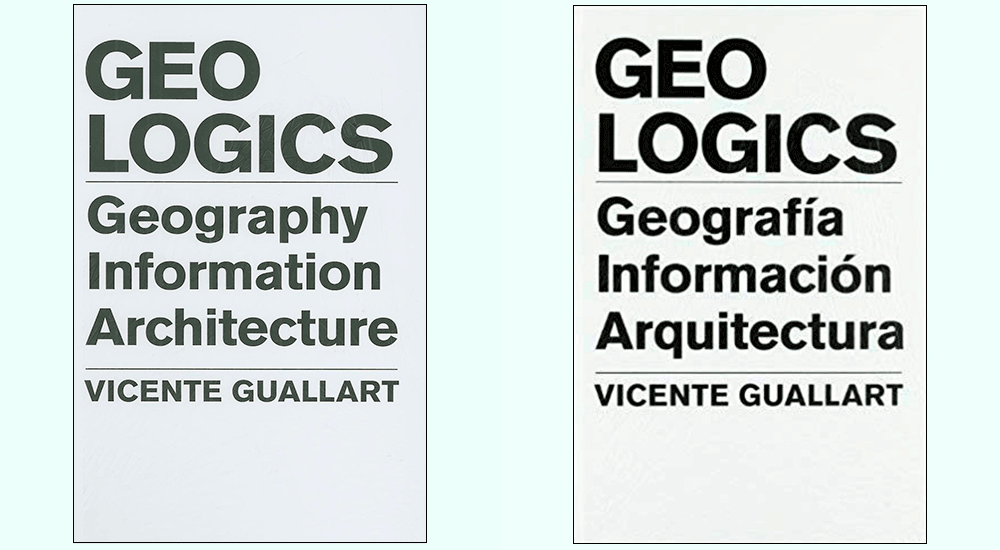

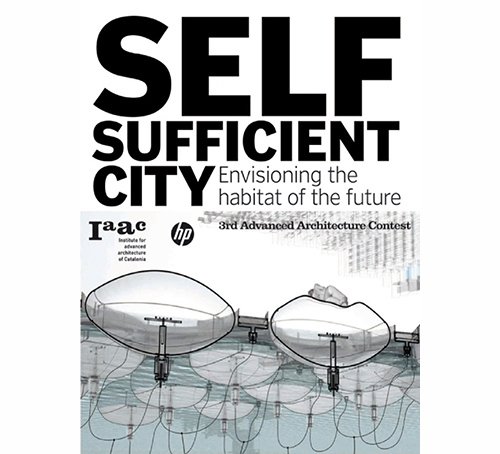

The Self-Sufficient City
Internet has changed our lives but it hasn't changed our cities, yet
Vicente Guallart
The Barcelona Architect in Chief peals the axes in which the cities must be sustained to adapt them to the new information age, and to generate its own resources.
Internet has changed our lives but it has not yet changed our cities. Any technological revolution takes paired radical transformations in the life styles. If the age of the car and the oil shaped the cities of the 20th century, the society of the information will form those of the 21st century. It is an unstoppable evolution that, nevertheless, it is necessary to be able to lead with criterion. It is a question of taking advantage of the urban experiences accumulated for centuries by the human beings and having present that the growth cannot be unlimited and the energetic resources that our planet offers have expiry date. Vicente Guallart exposes
19,25€
Buy Ebook